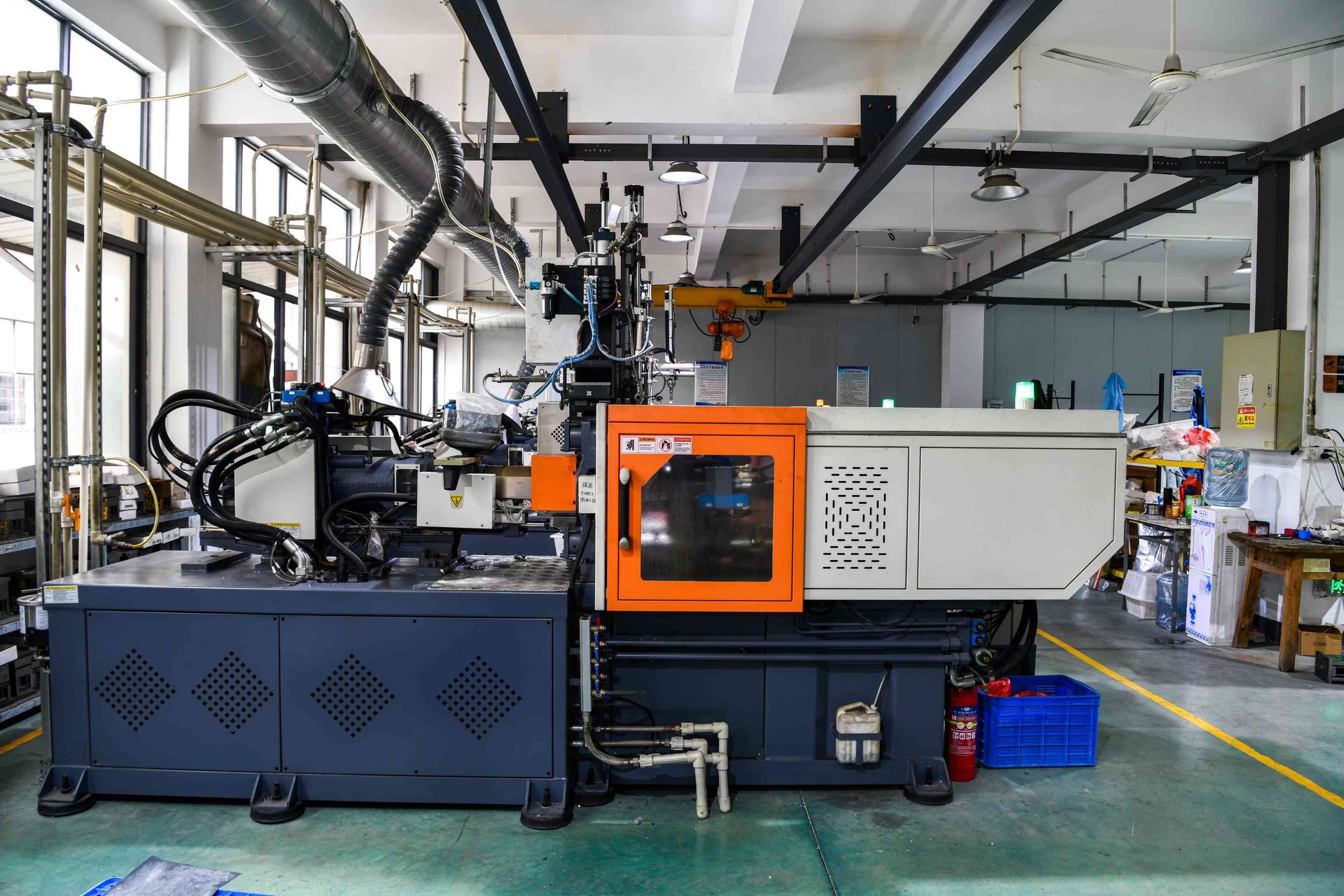
“Custom” describes a commercial result, not one manufacturing route. A brand can customize a proven catalog frame, machine a new shape from acetate sheet, form and join metal parts, or create new injection tooling for a polymer design. Asking for a “mold price” before choosing the material and process can therefore produce an incomplete or misleading quotation.
Direct answer: custom eyewear needs a new mold only when the chosen production process and new geometry require one. First freeze the material, construction, lens interface and expected volume. Then ask the manufacturer to identify every required production asset—molds, dies, CNC programs, electrodes, jigs, fixtures, gauges and lens-cutting data—and separate reusable factory tooling from buyer-funded project tooling.
Which eyewear routes need new tooling?
| Development route | Typical production assets | New mold? | Best fit |
|---|---|---|---|
| Existing catalog or private-label frame | Existing production tools, approved color and decoration setup | Usually no new frame mold | Faster validation, lower development exposure and limited geometry change |
| Modified existing injected frame | Existing mold plus technically feasible inserts or rework, revised gauges and lens data | Sometimes | A controlled change where the tool owner confirms scope and revalidation |
| New injected polymer frame | Front and temple molds, inserts, fixtures, gauges and process settings | Normally yes | Proprietary three-dimensional geometry and repeat production |
| New sheet-acetate frame | CAD/CAM files, CNC programs, forming blocks, jigs, polishing and lens-shape data | Generally no injection mold | Custom profiles, laminations and premium machined construction |
| New metal frame | Stamping/forming dies, casting tools where used, soldering or welding jigs, assembly fixtures and gauges | Process-dependent | Thin sections, wire or sheet structures and multi-part assemblies |
This is a planning map, not a universal rule. A frame may combine injected, machined, stamped and purchased components. Confirm the route for the actual design and material using the eyewear frame material guide.
Existing tooling: customize what is truly variable
An existing tool fixes more than the visible outline. It can constrain lens opening, bridge architecture, wrap, wall thickness, hinge seat, temple section, gate location and how the part releases. Colors, lenses, logos and packaging may be variable, but a major geometry change is not a “simple customization” merely because it looks small on a rendering.
Request the current model code, material, dimensions, tool status, available change zones and evidence from a recent production run. Confirm whether other buyers may use the same base design and whether any market or channel restriction is promised. The differences between catalog, ODM and fully developed programs are explained in eyewear OEM vs ODM vs private label.
Modified tooling: treat every edit as engineering change
Some molds can accept a replaceable insert or localized rework. Others cannot be changed economically or safely. Adding material to the finished part may require cutting steel from a cavity; removing material from the part can require adding metal, replacing an insert or remaking the tool. Either direction can affect filling, cooling, shrinkage, ejection, finish and dimensional stability.
Before approving a modification, require a marked drawing that shows the changed region, the features that remain fixed, expected cosmetic witness lines and the validation plan. Record whether the work is reversible, how it affects other users of the tool and which party accepts the risk. Do not describe a tool change only in email screenshots; issue a numbered design revision through the eyewear tech pack.
New injection tooling: the sample is an engineering checkpoint
A new injected frame begins with design-for-manufacture review. The toolmaker and eyewear manufacturer evaluate parting direction, undercuts, wall transitions, draft, gate and ejector locations, inserts, hinge integration, expected shrinkage and post-molding operations. These choices affect appearance, fit and repeatability, so they should be reviewed before steel is cut.
Tool trials are often labeled with supplier-specific stages such as T0, T1 or T2. The label alone proves nothing. For every trial, record:
- tool and drawing revision;
- resin grade, color and conditioning status;
- machine and cavity identification;
- sample quantity and processing condition;
- measured critical dimensions and frame alignment;
- visible flow, sink, flash, short-shot, weld-line or ejection issues;
- lens fit, hinge and assembly results;
- corrective action, owner and retest requirement.
Do not approve bulk production because one hand-finished trial sample looks good. Cosmetic rework can hide a molding problem, and one cavity may behave differently from another. Approval should cover production-intent material, all active cavities, intended secondary processes and the complete assembled frame.
Tooling cost is not the same as tooling ownership
A line called “mold fee” may mean design engineering, prototype work, part of a shared tool, a complete production mold, replaceable inserts, or simply access to supplier-owned tooling. Write the answer before payment.
Your tooling schedule should identify:
- Asset register: tool name, component, unique ID, drawings, inserts, fixtures, gauges and associated digital files.
- Ownership and use: legal owner, physical custodian, permitted products, factories, territories or customers, and any exclusivity.
- Acceptance: trial stages, measurable criteria, open-issue process and the event that triggers final acceptance.
- Change control: who can authorize repairs, engineering changes, duplicate tools or use of alternative materials.
- Storage and maintenance: location, preservation, inspection records, normal maintenance, damage responsibility and inactivity rules.
- Production access: whether the buyer may audit identification, condition, usage and maintenance records.
- Project end: retention period, destruction, return or transfer process, export documents, costs and unresolved liability.
Intellectual-property rights, physical ownership and an exclusive right to use are different concepts. For material investment or sensitive design IP, have qualified counsel in the relevant jurisdictions review the agreement. Do not rely on a generic purchase-order note.
Build tooling milestones into the sample process
Separate product learning from production release:
- Requirement freeze: approve use, target markets, material, construction, key dimensions, lens program and cosmetic intent.
- DFM review: close manufacturability questions and identify every tool, fixture and gauge.
- Prototype or appearance model: use it to review design; label any non-production material or process clearly.
- Tool trial: evaluate molded parts by cavity and document defects and measurements.
- Correction loop: update the drawing, tool and action log together.
- Production-intent sample: assemble with intended hardware, lenses, decoration and finish.
- Golden sample and release: sign a protected reference sample plus the matching document revisions.
The custom eyewear sampling process explains how to keep feedback objective. Tool approval and product approval may occur together, but neither should be implied by silence or by starting a purchase order.
RFQ questions that expose hidden tooling assumptions
Ask each supplier the same questions:
- Which parts use existing, modified or new tools?
- Which assets are included in the quoted tooling charge?
- Are prototype tools different from production tools?
- How many active cavities are proposed, and will samples from each be identified?
- What material, color and post-process will be used for approval samples?
- What changes are included, and how are buyer-driven versus supplier-correction changes handled?
- Who owns and may use each tool, insert, program, fixture and gauge?
- How will tools be labeled, stored, maintained and reported?
- What happens to the assets if the program pauses, the tool wears, or the supplier relationship ends?
- Which dimensions and defects will be checked at trial, pilot and bulk stages?
Keep tooling as a separate quotation section instead of burying it in unit price. Compare total development scope, not the smallest single fee. Quantity still affects the commercial decision; use the eyewear MOQ guide to align the tooling route with realistic demand.
Pilot and bulk-production controls
After approval, confirm that bulk production uses the released tool revision, intended cavities, specified material and agreed process window. Maintain traceability to the approved sample and retain start-up pieces where appropriate. Inspection should cover critical dimensions, front and temple alignment, lens seating, hinge location and function, surface defects, decoration and assembly—not only color and logo.
Add tool-specific risks to the pre-shipment inspection checklist, but do not wait until shipment to discover process instability. Trial, pilot and in-process records address causes; final inspection samples finished output.
Verify product and market requirements separately
A successful mold trial does not establish legal compliance or product fitness. Optical frames, sunglasses, readers, children’s eyewear and protective products may have different optical, mechanical, chemical, labeling and documentation requirements. Material or geometry changes can also affect an earlier test rationale.
Before production, have the importer, responsible economic operator, qualified laboratory or compliance adviser confirm the current classification and verification plan for every destination market. Use the eyewear certifications guide as orientation, not market-specific legal advice.
To scope a development route, send HAO Eyewear the intended material, drawings or reference sample, target quantity, lens program and sales markets. Discuss your OEM/ODM eyewear project before approving tooling spend.