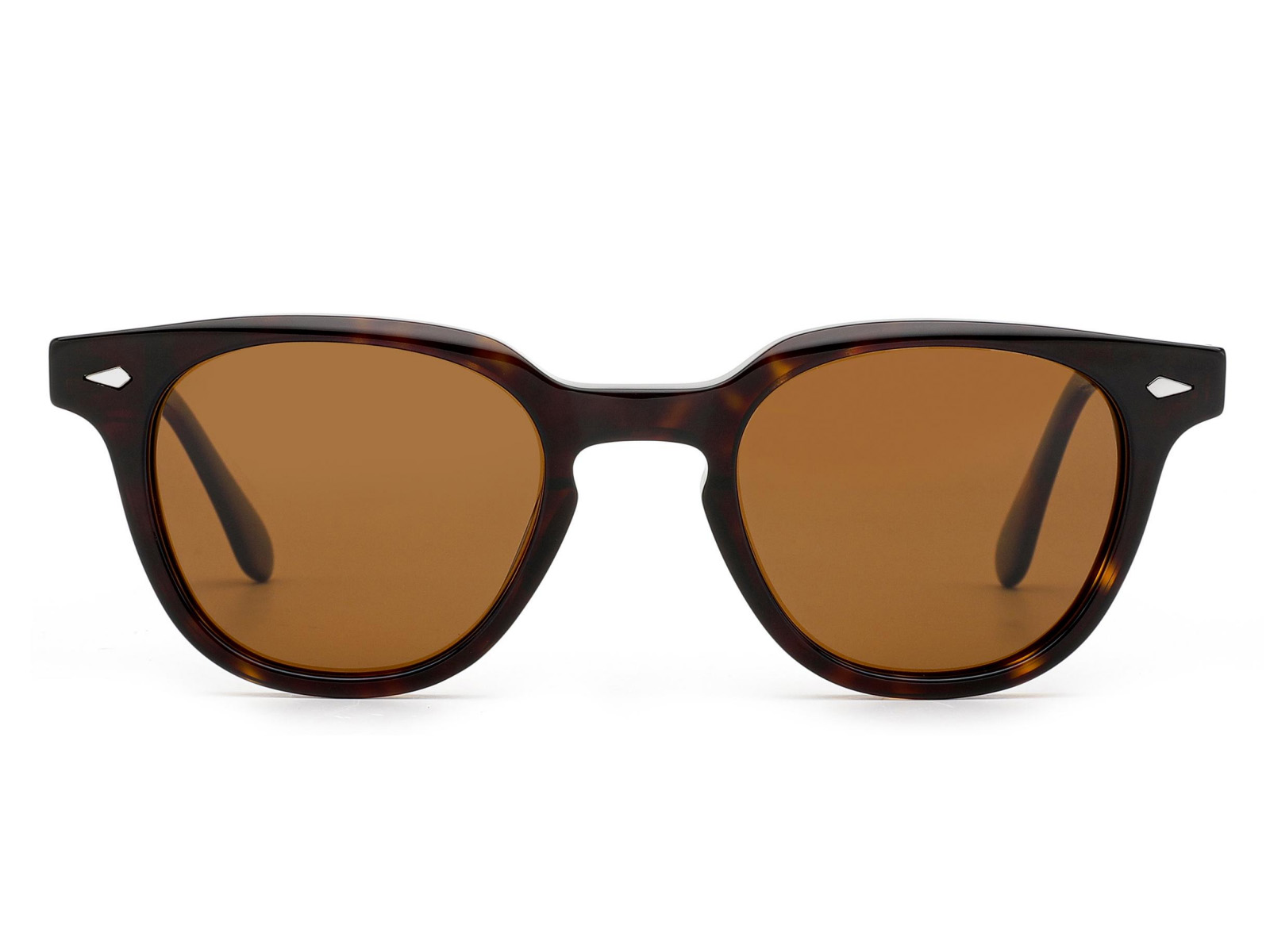
If you are researching how to choose protective sports eyewear, start with the hazard and the applicable standard—not the frame style. A basketball, a stone thrown by a bicycle tire, chemical splash and high-speed road debris create very different risks. The right product is the complete, correctly fitted protector that has credible evidence for its intended use.
The short answer
- Identify impact, projectile, wind, dust, splash, UV and fogging risks.
- Check the sport’s rules and the latest applicable standard.
- Verify test documentation for the complete frame-and-lens assembly.
- Select coverage, retention and prescription architecture.
- Try the product with the helmet or other equipment you will actually use.
This guide explains how to make that decision without confusing performance sunglasses, occupational safety eyewear and sport-specific protectors.
1. Begin with the eye hazard, not the product name
“Sports eyewear” is a broad marketing category. Before comparing models, write down what can reach the eye and how it moves.
| Activity | Main hazards | What the eyewear must prioritize |
|---|---|---|
| Basketball | Ball, fingers and elbows; frame displacement | Sport-specific impact performance, stable retention, generous orbital coverage |
| Cycling | Wind, insects, grit, branches, changing light | Wrap coverage, clarity, ventilation, helmet compatibility, verified UV filtration |
| Motorcycling | High-speed debris, wind, dust and weather | Road-legal helmet/eye protection, secure seal or coverage, anti-fog performance |
| Laboratory work | Flying particles, liquid splash, corrosives or radiation | Hazard assessment, appropriate Z87.1 protector, side or indirect ventilation as required |
An open spectacle may be suitable for frontal particles but poor for liquid splash. A sealed goggle may block dust yet fog during hard exercise. A fashionable dark lens may control brightness but provide no documented impact performance. Selection must follow the real hazard.
2. Sports glasses, sports goggles and ordinary sunglasses
Sports glasses
Sports glasses normally use temples, a close-fitting or wraparound front and light lenses. They work well where peripheral coverage, low weight and airflow matter. A wrap improves coverage, but shape alone is not certification.
Sports goggles
Sports goggles usually add an adjustable strap, deeper eye-orbit coverage and a more secure position during contact or rapid movement. Ventilation may be direct, indirect or sealed. For ball sports, the protector should be documented against the relevant sport standard rather than merely described as “impact resistant.”
Ordinary sunglasses
Sunglasses are designed primarily to reduce solar radiation and visible glare. UV400 or “100% UV protection” addresses ultraviolet filtration; it does not establish sports-impact performance. Lens darkness is also not proof of UV protection. For lens selection basics, see our sunglasses lens guide.
3. Read standards and markings correctly
ANSI/ISEA Z87.1
ANSI/ISEA Z87.1 covers occupational and educational eye and face protectors. The 2025 revision defines performance, testing and marking requirements for hazards such as impact, splash, dust and optical radiation. In U.S. workplaces, OSHA requires protection appropriate to the assessed hazard and specifically requires side protection where flying objects are a risk.
Use Z87.1 for an industrial or laboratory decision, but do not present it as a universal sports certificate. Ask which edition was tested, which configuration passed, what the markings mean and whether the report comes from a competent laboratory.
ASTM F803 and other sport-specific standards
ASTM F803-25 covers protectors for selected sports: basketball, baseball and soccer. It includes optical and mechanical requirements and applies to both corrective-lens and non-prescription wearers. Other activities can have their own standards—for example racket sports, field hockey, women’s lacrosse, paintball and airsoft—so “ASTM compliant” is incomplete without the standard number and edition.
The standard named by a league or governing body may also be more specific than a general buyer’s guide. Always check current competition rules before purchase.
Verify the complete protector
A supplier should be able to identify:
- standard number and edition;
- tested model, sizes and lens/frame configurations;
- issuing laboratory or certification body;
- markings and their location;
- limitations, replacement parts and care instructions.
Material claims such as “polycarbonate,” “shatter-resistant” or “safety lens” are not substitutes for a test result on the finished assembly. For an OEM verification framework, read our protective eyewear sourcing guide and quality process.
4. Polycarbonate, Trivex and lens performance
Polycarbonate is light, naturally filters much UV and is widely used where impact resistance is important. It is a practical choice for plano and prescription sports lenses, although coatings are important for scratch resistance and surface durability.
Trivex is also light and impact capable, with optical and processing characteristics that can suit prescriptions and rimless or drilled designs. Availability, price and prescription range vary by laboratory.
Do not select on material alone. Compare the complete product’s impact test, optical quality, thickness profile, edge retention, coating adhesion and temperature conditioning. The frame, lens groove, fasteners and prescription glazing process all affect whether the lens stays in place.
5. Coverage, retention and frame architecture
- Wraparound fronts reduce gaps at the sides and can improve wind and debris protection. Excessive wrap can complicate high prescriptions or introduce peripheral distortion if poorly engineered.
- Straps are valuable for contact sports and vigorous movement. They should adjust without creating painful pressure and should resist loosening when wet.
- Side shields address lateral flying-particle hazards in many work settings. They do not turn an open spectacle into a chemical-splash goggle.
- Full-rim or deep-groove lens retention can help keep lenses captured, but performance still needs testing.
- Soft contact zones at the brow, nose and temples can improve comfort. They must not collapse the required clearance between protector and eye.
Check compatibility with helmets, hearing protection and masks. Temple arms trapped under a helmet can change fit; a strap routed over a vent can move during use.
6. Anti-fog, ventilation and optical clarity
Fogging is a system problem involving humidity, temperature, airflow, exertion, lens geometry and coatings. Look for:
- ventilation that does not open a direct path to the identified hazard;
- a documented anti-fog test method and result;
- coating durability after cleaning and conditioning;
- clear instructions for compatible cleaners;
- enough field of view to see the ball, traffic or instruments.
An anti-fog claim should not require sacrificing necessary splash or dust protection. For motorcycling or cycling, test the eyewear at low speed, high effort and stops—conditions in which airflow changes most.
7. UV protection, tint and polarization
For outdoor use, select lenses labeled UV400 or 100% UV protection and request transmittance evidence when sourcing at scale. Dark tint does not prove UV filtration. A larger wrap can reduce light entering around the lens.
Tint and polarization solve different problems. Gray preserves color balance; amber or contrast tints may help in selected conditions; photochromic lenses respond to changing UV/light conditions but may not darken as expected behind some vehicle windscreens. Polarization reduces reflected glare from roads or water, yet it can make some displays harder to read. Evaluate it in the actual environment.
8. Prescription choices: direct glaze, insert or OTG
There are three common routes:
- Direct prescription glazing: the corrective lens is the protective lens. It offers a clean field of view but must follow the approved lens material, power range, thickness and glazing instructions.
- Prescription insert: a small corrective carrier sits behind a plano shield. It can simplify lens replacement, although alignment, eyelashes, cleaning and fogging need attention.
- OTG (over-the-glasses): the protector fits over normal spectacles. It is practical for shared or occasional use, but it must not press on or displace either frame.
Ask whether the claimed compliance remains valid for the exact prescription configuration. A certified plano model does not automatically make every aftermarket prescription conversion certified.
9. Four selection examples
Basketball
Start with a protector documented to ASTM F803-25 and permitted by the league. Prefer stable strap retention, orbital coverage, smooth contact surfaces and a prescription option that remains within the tested configuration. Ordinary glasses—even with polycarbonate lenses—are not an equivalent substitute.
Cycling
Prioritize wrap coverage, low distortion, ventilation, secure nose/temple grip, helmet compatibility and verified UV protection. Choose tint for route and light conditions. If impact protection is a requirement, ask for the exact standard and test evidence; do not infer it from a sporty shape.
Motorcycling
Use a compliant motorcycle helmet, visor or eye protector required by local road law. Check high-speed stability, peripheral vision, wind sealing, anti-fog performance and compatibility with the helmet. A Z87.1 marking alone does not replace vehicle or helmet requirements.
Laboratory work
Follow the employer’s hazard assessment. Flying particles may require marked spectacles with side protection; chemical splash usually calls for appropriately ventilated goggles, and severe hazards may require a face shield over primary eye protection. Prescription wearers need an integrated prescription design or an OTG protector that keeps both lenses correctly positioned.
10. Protective sports eyewear buying checklist
Before ordering, confirm:
- The activity, environment and foreseeable hazards are documented.
- The applicable standard, edition and governing-body rule are identified.
- The exact model and configuration appear on credible test documents.
- Markings match the documentation and are permanent and legible.
- Coverage includes the required front, side, brow and lower-orbit areas.
- The protector stays centered during running, jumping and head movement.
- Optical quality and peripheral vision are acceptable.
- Ventilation and anti-fog performance fit the hazard and climate.
- Outdoor lenses have verified UV filtration; tint suits the task.
- Prescription power, pupillary alignment and assembly remain within approved limits.
- The product works with the actual helmet, mask or hearing protection.
- Replacement lenses, straps, cleaning instructions and service life are available.
Final recommendation
The safest buying sequence is hazard → applicable standard → verified complete protector → fit and compatibility → maintenance. Price, tint and styling come after these decisions. If you are developing or sourcing a protective sports eyewear program, share the target activity, market, prescription range and required documentation with our team through the contact page.
Authoritative references
- ASTM F803-25: Eye Protectors for Selected Sports
- ANSI/ISEA Z87.1-2025 announcement
- OSHA 29 CFR 1910.133: Eye and Face Protection
- U.S. FDA guidance on sunglasses and UV protection
Standards and regulations change. Confirm the current edition and local requirements before specifying or purchasing protective equipment.