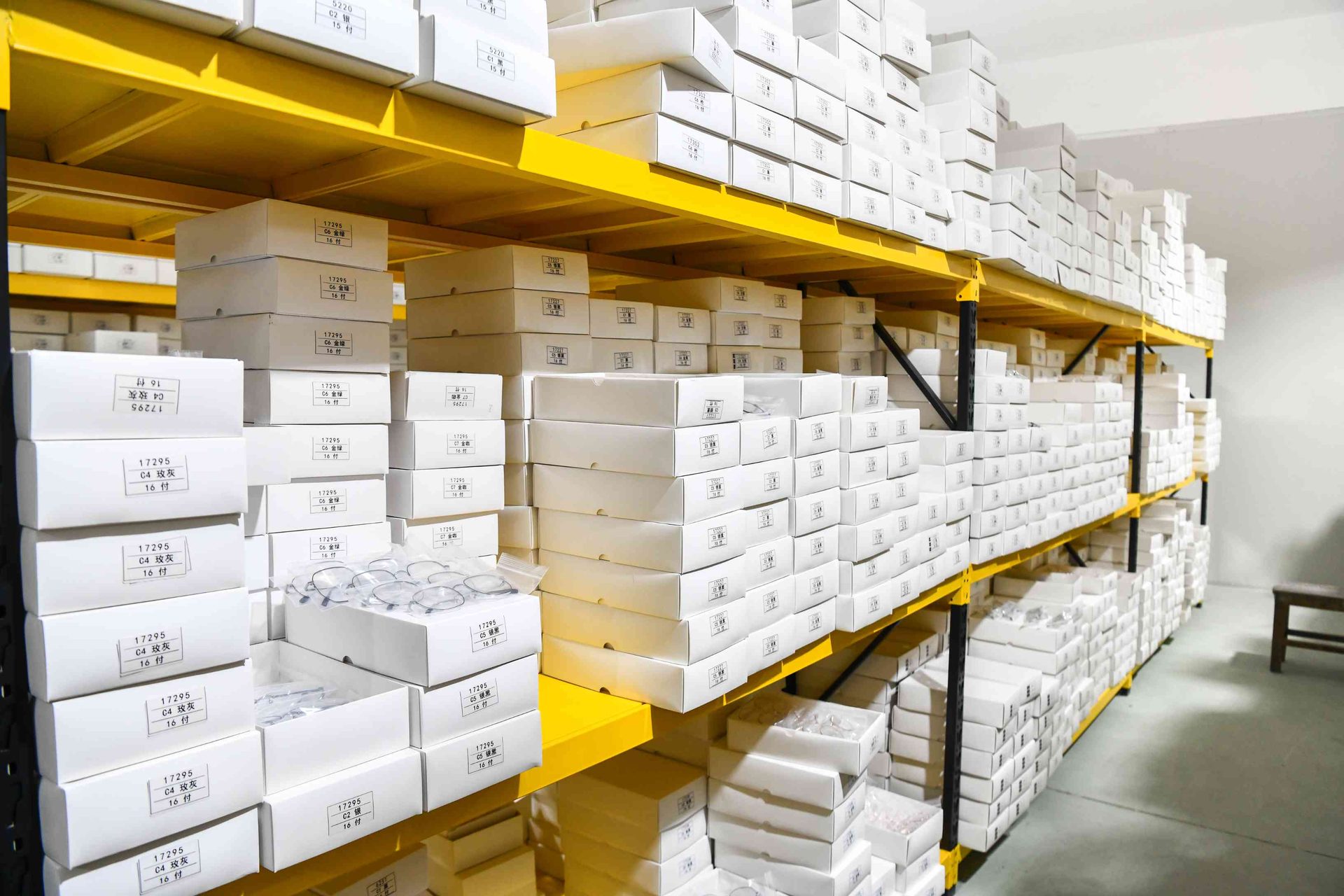
These terms describe different aspects of your business. Wholesale is a purchasing arrangement. Dropshipping is a fulfillment arrangement. A seller can purchase branded stock in advance and still have a partner ship it order by order. Comparing the actual inventory and service terms will give you a clearer answer than comparing the labels alone.
Compare the Main Operating Differences
| Decision | Eligible stock dropshipping | Wholesale inventory purchasing |
|---|---|---|
| Initial inventory | Depends on the supplier agreement; may reduce advance product purchases | Product inventory is purchased before retail sale |
| Storage and packing | Usually handled through the fulfillment supplier | Managed by the seller or a selected fulfillment partner |
| Branding | Limited to agreed options; materials may need advance preparation | Can be planned around the purchased collection and production requirements |
| Delivery control | Depends on the supplier’s dispatch process and routes | Depends on where stock is held and the seller’s fulfillment arrangement |
| Cost comparison | Product plus per-order fulfillment and shipping | Product plus inbound freight, storage, handling and customer delivery |
| Stock risk | Shared-stock availability and supplier terms need review | The seller must manage unsold stock and replenishment |
Both approaches require accurate listings, product checks and customer service. Neither model removes the need to plan for returns, failed deliveries or inventory changes.
When Dropshipping May Fit
Dropshipping may be suitable when you are testing an eligible range, selling across several frame styles or adding products without building a full packing operation. It lets you evaluate actual customer demand before committing to a larger collection, provided the supplier’s product and service terms support that approach.
The tradeoff is dependence on stock visibility and dispatch execution. If several sellers use the same inventory, availability can change. If products ship internationally to consumers, the route may not match the delivery experience offered by sellers holding stock near their customers.
Before listing products, confirm the fulfillment workflow and build delivery promises around the actual service. Do not advertise a fixed delivery time based only on how quickly the supplier can hand over the parcel.
When Wholesale May Fit
Wholesale can fit products with demonstrated demand, a planned branded collection or a need to control stock allocation. It can support a consistent packaging specification and allow you to choose where inventory is held.
However, a bulk purchase does not automatically lower the final cost per sold unit. Include unsold products, inbound transport, warehousing, picking, packing and final delivery. A favorable factory unit price is less useful if the collection turns slowly or if replenishment repeatedly misses demand.
Product production minimums also differ from shipping quantities. Ready-stock purchasing and new OEM production may have different terms. Confirm the minimum for the specific product rather than treating all wholesale eyewear as one offer.
A Hybrid Model Can Support Growth
You can use eligible stock products to test demand, then reserve or purchase inventory for styles that sell consistently. Your fulfillment partner may continue shipping those products individually while you gain more control over branding and availability.
For example, a seller could test several standard frame styles, review sell-through by color and then prepare a branded stock allocation for the strongest products. This is an operating example, not a promise of minimum quantities or results. The arrangement depends on the supplier’s inventory, branding and storage terms.
For Amazon sellers, distinguish orders shipped directly to consumers from inventory sent into Amazon’s fulfillment network. Amazon describes FBA as an arrangement in which inventory is sent to its network for fulfillment. Seller-managed dropshipping has different responsibilities, including seller identification and returns. Amazon’s official dropshipping and FBA comparison
Compare Costs Using the Same Destination and Product
For dropshipping, compare the product, lens work, brand materials, handling and individual delivery. For wholesale, compare the purchased product, inbound freight, storage, handling and individual delivery, then account for the inventory that may remain unsold.
Use one destination and one packaging specification for the initial comparison. Add scenarios for lower and higher sales volumes. Separate one-time setup charges from recurring costs so you can see how the economics change as the collection grows.
Choosing a Model with HAO Eyewear
HAO Eyewear can help you discuss a suitable relationship between product sourcing, branding and order fulfillment. Start with your target countries, product types, expected order volume and delivery requirements.
Review eyewear dropshipping options, explore ready-stock eyewear, and ask for a cost breakdown and service conditions for your proposed collection.